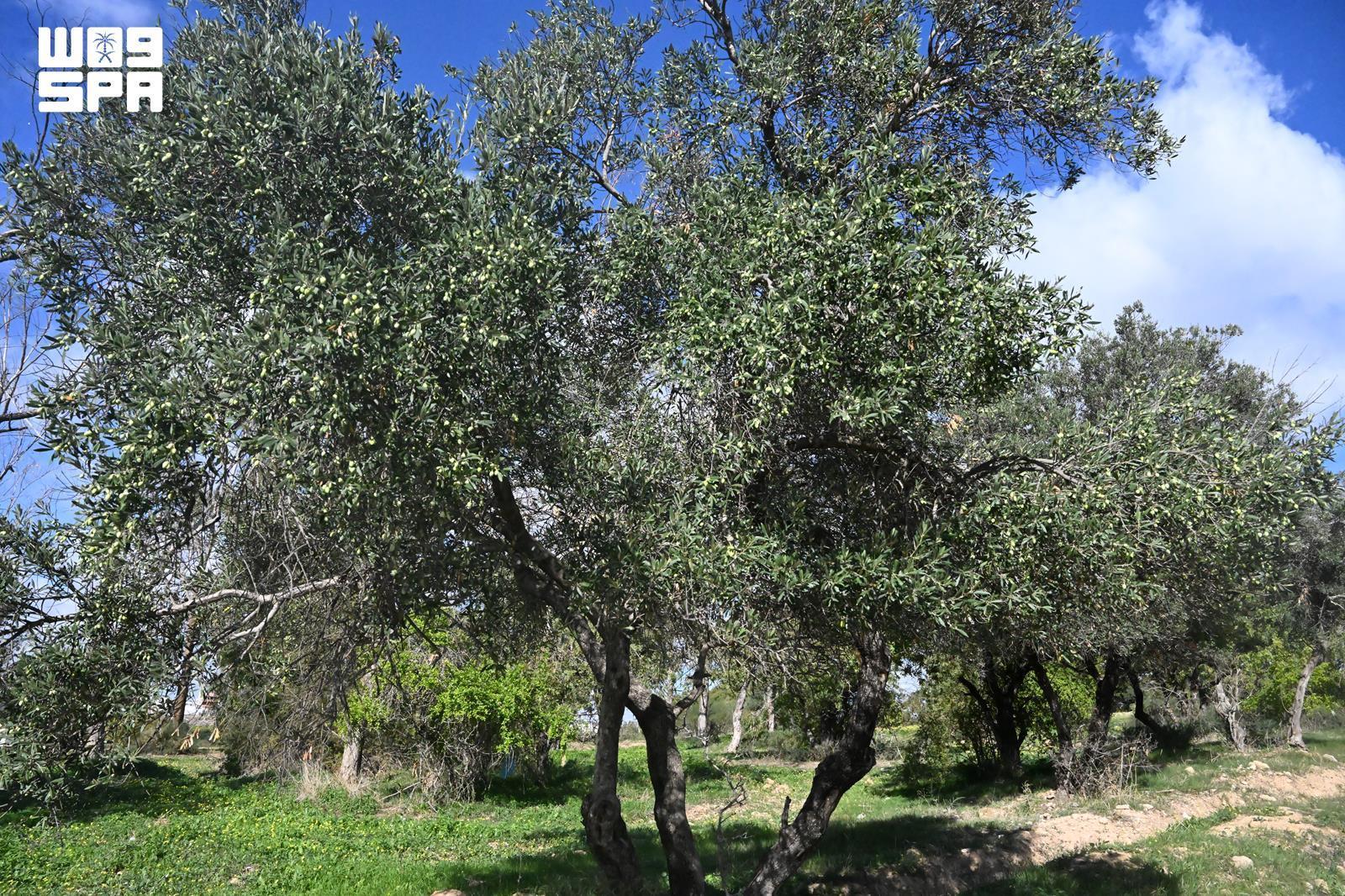
Tunisia Launches Olive Harvest Season
The 2026–2027 olive harvest season commenced across Tunisia today, with initial forecasts indicating a production yield of approximately 300,000 tons of olive oil. The projected output—down from 500,000 tons recorded in the previous season—reflects fluctuating seasonal yields driven by irregular rainfall and evolving climatic patterns.
The harvest remains a cornerstone of the national economy and a vital source of income and employment in rural areas, while reinforcing Tunisia's standing across global olive oil export markets.
The season also revives longstanding social customs, with rural communities and families gathering in groves to collect the crop using traditional hand combs, manual picking, and collection nets spread beneath the branches before transferring the fruit to local presses. The period is defined by communal collaboration, field-prepared meals, and the tradition of sampling the first cold-pressed oil with bread.
Spanning roughly 1.9 million hectares and home to tens of millions of trees, Tunisia ranks among the largest Mediterranean nations in olive-cultivated acreage. The sector provides substantial seasonal employment across harvesting, transport, pressing, and bottling operations, supported by national initiatives to upgrade milling infrastructure, expand storage capacity, and boost export competitiveness worldwide.