 Amer Al Ajmi
Saudi Arabia’s Energy Test Isn’t Building Capacity. It’s Keeping It Running
Saudi Arabia is proving it can build energy infrastructure at extraordinary speed. The greater challenge now is ensuring those assets can be operated, maintained, and repaired by expertise that resides within the Kingdom.
In 2026, Saudi Arabia is expected to award roughly 14 gigawatts of new solar and wind capacity, placing it among the world’s most ambitious renewable energy markets. The gap between what has been contracted and what is already operating is where the next chapter of localization will be defined.
For years, localization was measured mainly through manufacturing output: the number of factories built, the volume of equipment produced, and the components carrying a “Made in Saudi Arabia” label. That strategy was essential and helped establish a domestic manufacturing base for electrical equipment, switchgear, and control systems.
The next phase is building the capabilities that keep those assets operating safely and reliably throughout their lifespan.
When a large transformer fails at a desalination plant, the impact extends far beyond the repair cost. Water production can be disrupted, connected operations may be affected, and emergency resources must be mobilized. A generator or critical motor failure at an industrial facility can halt production, delay deliveries, and create significant financial and operational losses. In asset-intensive industries, even a few hours of downtime can cost millions.
The duration of that disruption often depends on where the required expertise is located. If specialists must travel from Europe or East Asia, critical infrastructure can remain out of service for days or weeks. An asset may sit inside a locally manufactured enclosure while the knowledge required to restore it remains outside the country. That is the capability gap the Kingdom now has an opportunity to close.
A recent project involving the restoration of a 54-year-old motor shows what localized engineering expertise can achieve. Returning the aging asset to service required inspection, fault diagnosis, reverse engineering, repair, and testing. More importantly, it demonstrated that complex legacy equipment can be restored inside the Kingdom rather than remaining dependent on overseas intervention or full replacement.
This challenge is becoming more important as Saudi Arabia’s energy system grows in scale and complexity. Artificial intelligence and the expansion of data centers are transforming electricity demand, while these facilities require uninterrupted power. At the same time, the Kingdom is adding around 30 gigawatt-hours of battery storage, expanding smart grids, and preparing major green hydrogen infrastructure.
Every one of these investments depends on having the expertise to keep it running. Advanced technology can be procured in a relatively short period. Engineers with years of operational experience cannot.
The question that will define the next decade is simple: how quickly can an electrical fault anywhere in the Kingdom be identified, repaired, and returned to service using expertise that exists inside Saudi Arabia?
Achieving that requires action in three areas.
First, specialized engineering services must be recognized as a strategic industry rather than simply an aftermarket function. Transformer, motor, and generator repair facilities, asset management companies, condition-monitoring specialists, and testing laboratories deserve the same policy attention that manufacturing received. These businesses create highly skilled jobs, retain technical knowledge, and strengthen national resilience.
Second, talent for long-term operations must be developed alongside construction. The sector needs more maintenance specialists, protection engineers, rotating-equipment experts, and grid analytics professionals. These operational skills will become just as important as the expertise used to design and build new projects.
Third, small and medium-sized enterprises must become an integral part of the energy ecosystem. Resilient supply chains depend not only on large national companies but also on specialized local businesses that can respond quickly when disruptions occur. Condition monitoring, remote diagnostics, and digital twins can help local teams predict failures and restore equipment faster.
None of this takes away from what manufacturing localization has already achieved. It represents the natural next stage of Saudi Arabia’s localization journey.
Vision 2030’s success will not be measured only by the projects completed or the capacity installed. It will also be measured by how reliably those assets perform and by how much of the expertise required to maintain, repair, and optimize them resides within the Kingdom.
Saudi Arabia has shown that localization is more than an industrial policy. It is a driver of long-term competitiveness. By strengthening domestic manufacturing, securing key value chains, and reducing reliance on external markets, the Kingdom has built a more resilient industrial ecosystem.
Its greatest impact, however, lies not only in what has been built, but in who is building it. A new generation of Saudi engineers, technicians, and innovators is emerging with the skills and ambition to lead future industries.
With strong industrial capacity and national talent in place, the next phase is about producing from Saudi Arabia for the world. The true success of localization will not be measured only by local content, but by global confidence in Saudi Made products, expertise, and innovation. When the world chooses Saudi Made because it represents quality, reliability, and technological excellence, localization will have achieved its highest purpose.
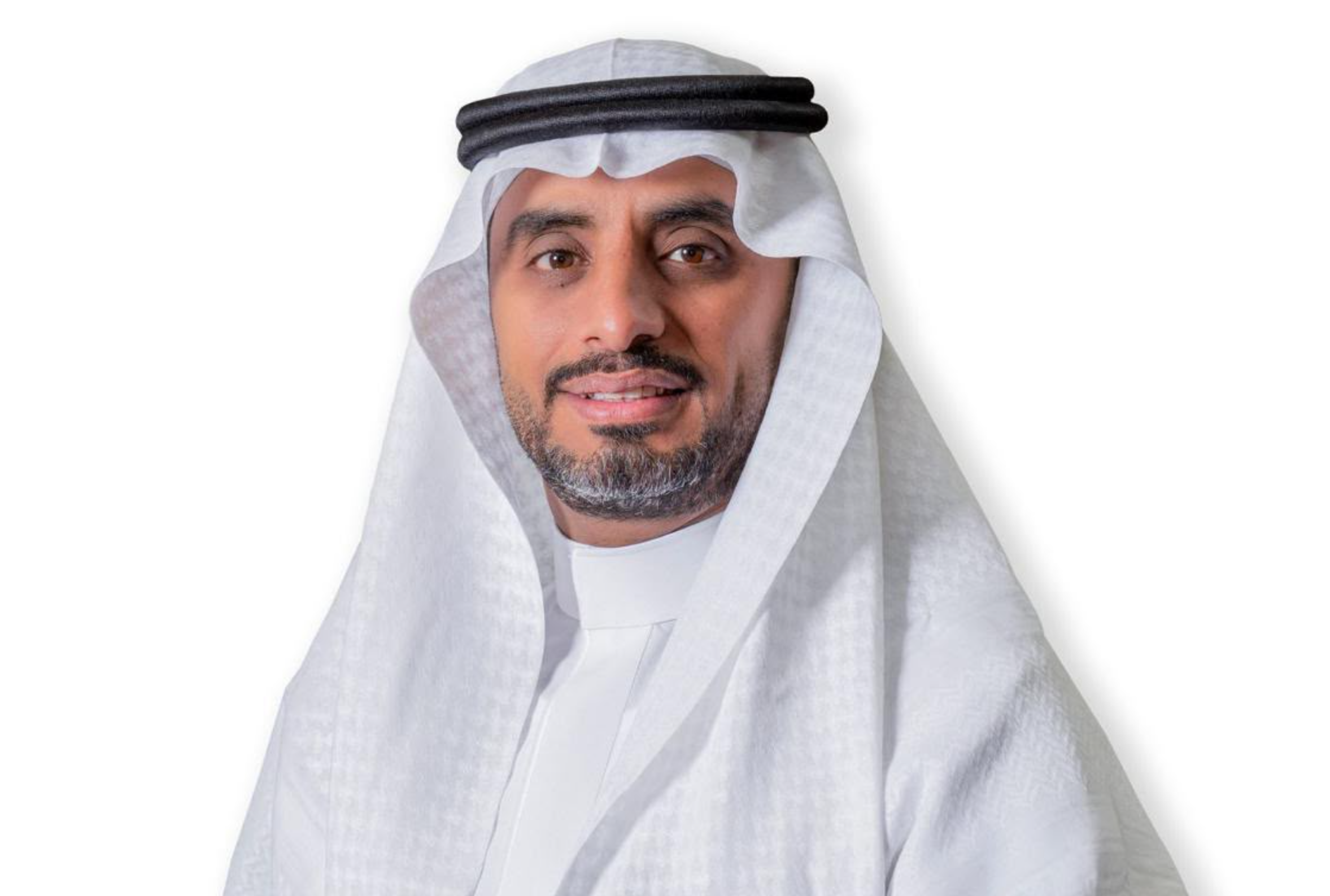
Amer Al Ajmi is the Chief Executive Officer of Alfanar Engineering Services and Chairman of the Board of Directors of the Association for Electrical and Energy Engineering.