Coral Reefs in Jeddah: Responsible Practices Protect Marine Life
Amid the movement of boats on the surface of the Red Sea and the life thriving in its depths, the health of coral reefs along Jeddah's coast, a key component of the area's biodiversity, depends on practices ranging from choosing anchoring sites to handling marine organisms, a relationship that reflects the impact of human activities.
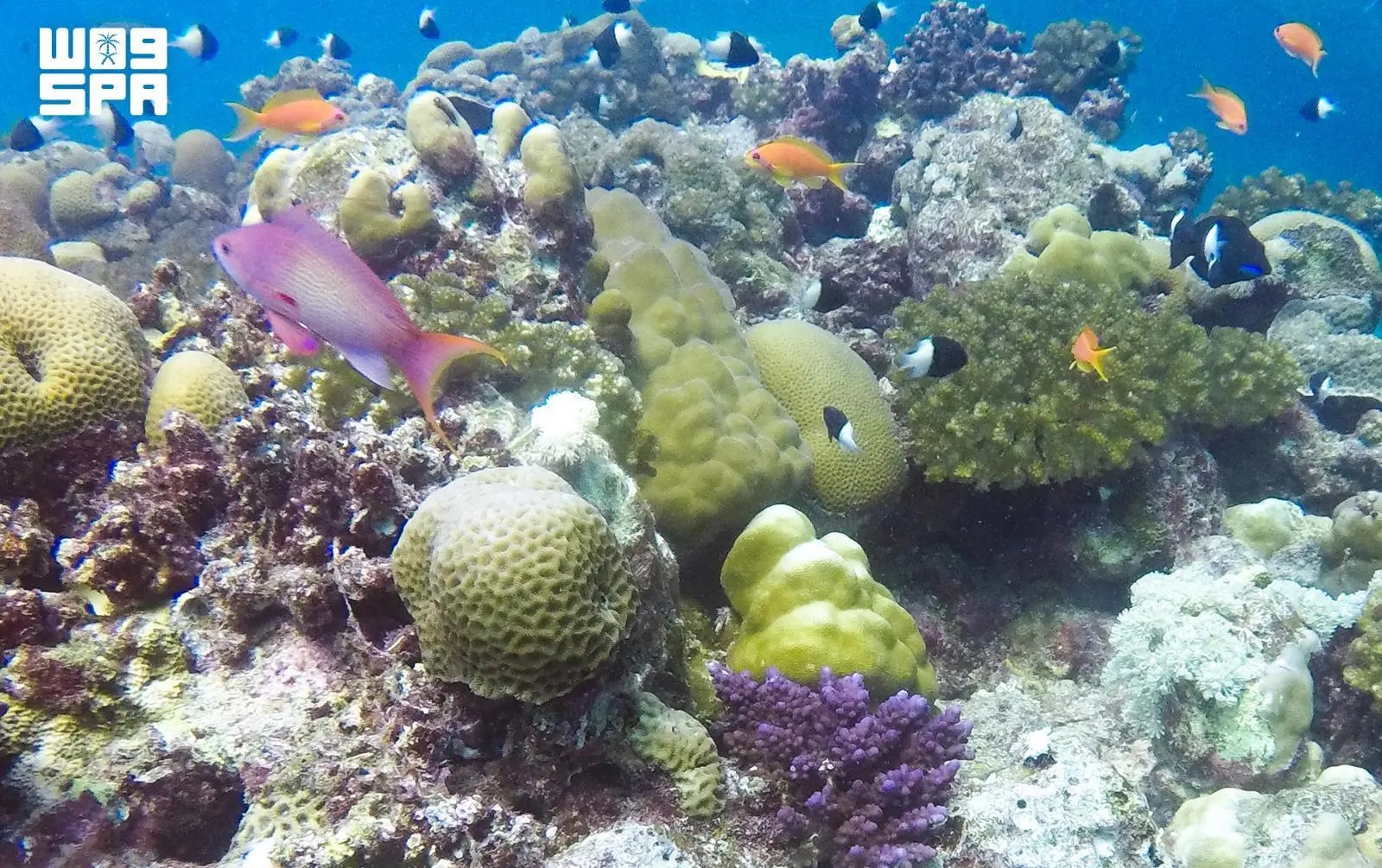
Coral reefs form natural habitats that support diverse species of fish and marine organisms, providing shelter and breeding grounds. Their colonies consist of tiny living organisms that build calcium carbonate structures, which gradually accumulate into marine formations whose growth takes long periods.
In this context, the Saudi Red Sea Authority regulates tourism-related marine and coastal activities while ensuring the protection and sustainability of the environment. It also provides guidance and raises awareness of practices that help preserve the environment, including refraining from touching marine organisms or collecting corals and shells, keeping the water clean, and disposing of waste properly.
The link between activities on the sea's surface and life in its depths shows that protecting coral reefs is not limited to research and restoration efforts. It also depends on the daily practices of people enjoying the sea, helping preserve these natural habitats and the biodiversity they support.