Sidr Fruit Ripens Across Valleys and Plains of Northern Borders Region
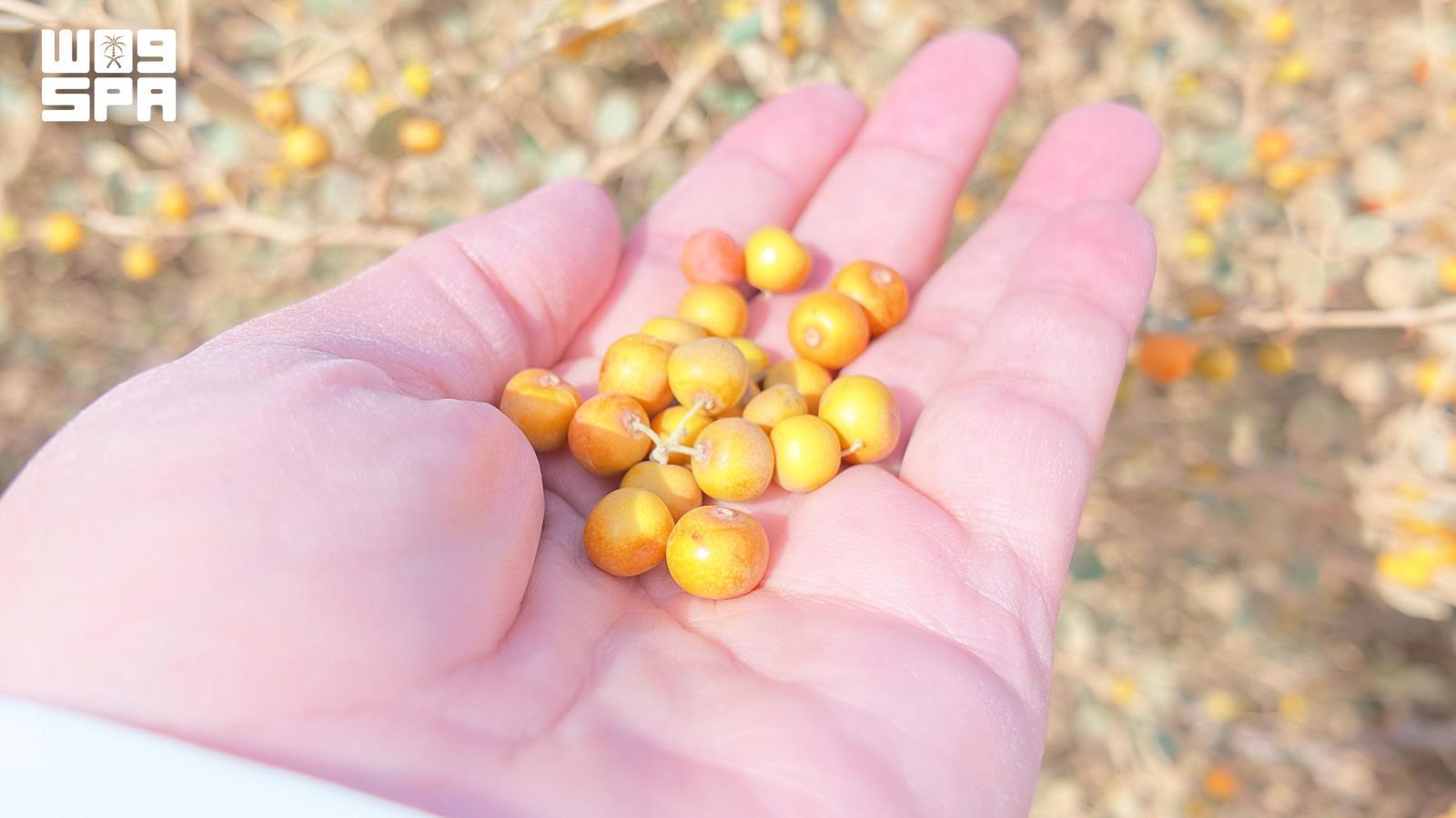
Fruit is hanging from the branches of wild sidr (Christ's thorn jujube) trees across the valleys and plains of Northern Borders Region, a seasonal sight that highlights a tree deeply rooted in the region's environment and natural heritage. The fruit, known locally as nabq (jujube), is prized for its sweet taste and nutritional value.
The sidr tree belongs to the genus Ziziphus, and a common species in the Arab region is Ziziphus spina-christi. A drought-resistant perennial, it thrives in dry, sunny environments. Its edible fruit changes from green to yellow and turns brown when fully ripe, and varies in shape and size, with thin skin and sweet flesh. In the region, the trees flower in October, and the fruit develops and ripens through the season.
Studies show that the fruit contains carbohydrates, vitamins A, B, and C, and minerals such as potassium, calcium, phosphorus, and iron, although its exact composition varies with the species, ripeness, and growing conditions.
The sidr holds an important ecological and cultural place in the Arab region, and its ability to withstand drought and water scarcity has made it a prominent wild tree in desert and semi-desert landscapes. Its fruiting season reflects the beauty and diversity of the region's plant life and the tree's long connection with its people and environment.