AlUla: A Global Laboratory for Human History and Cultural Evolution
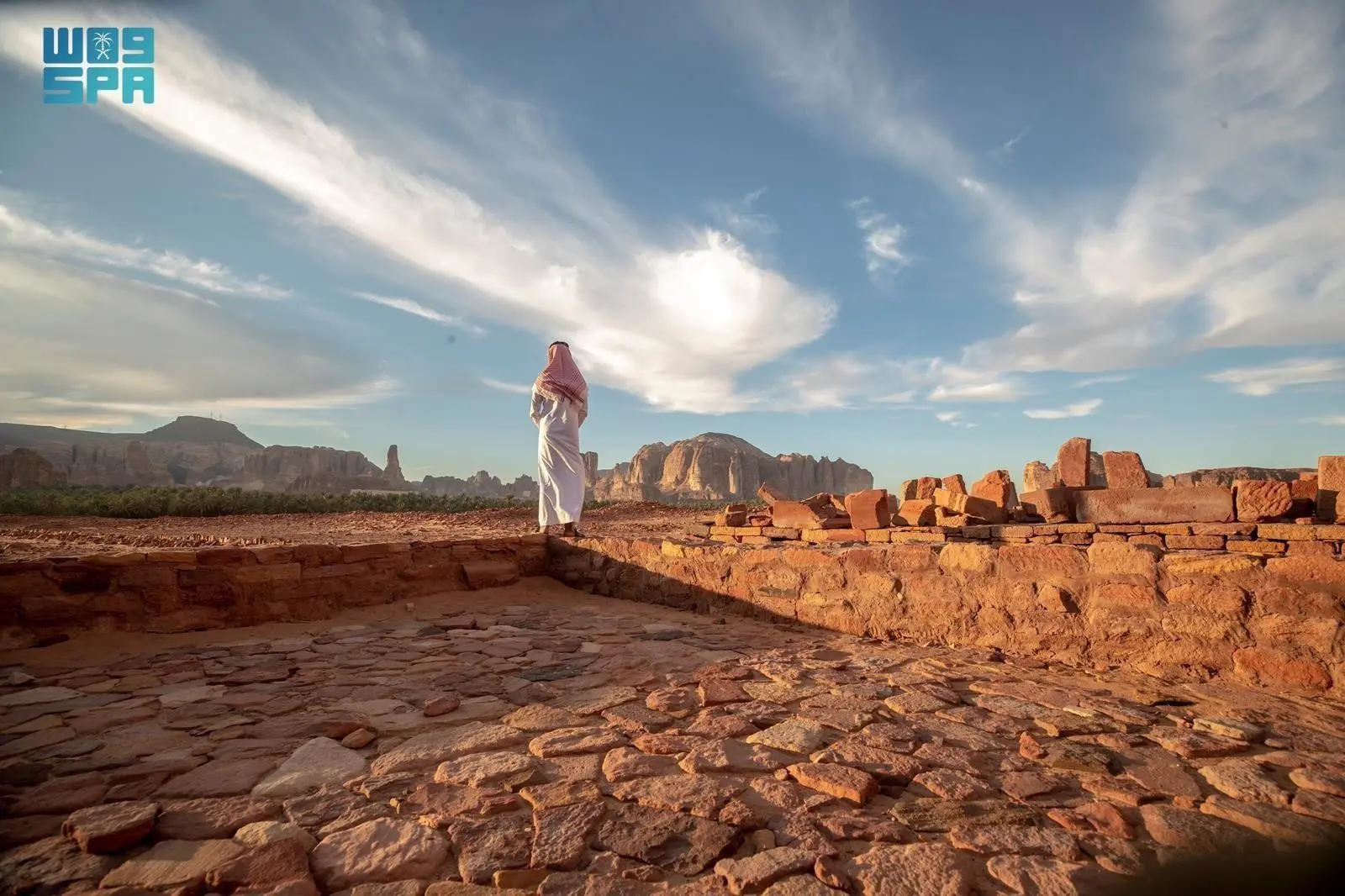
AlUla serves as a vast historical environment documenting thousands of years of human evolution through rock inscriptions, ancient trade routes, and archaeological sites.
These inscriptions act as a visual archive of the Arabian Peninsula's ancient lifestyles, documenting social customs, religious beliefs, and the development of writing systems such as Aramaic, Thamudic, and Nabataean. The region’s cultural identity is further defined by its agricultural oases, traditional crafts, and the deep connection between its inhabitants and the natural landscape.
To preserve this legacy, the Royal Commission for AlUla is documenting oral histories and collective memories for future generations. National efforts have been strengthened by the establishment of a royal institute of anthropology and cultural studies, providing a specialized framework to analyze social transformations and document heritage in line with Vision 2030. These initiatives support scientific research into human societies, languages, and folk arts, ensuring the Kingdom's cultural diversity is preserved and understood.
AlUla's heritage is also brought to life through festivals like the Ancient Kingdoms and Winter at Tantora, which offer immersive, interactive experiences. A key highlight is the Tantora sundial tradition, used historically to determine agricultural seasons and the start of winter.
With the active participation of the local community, these efforts ensure the sustainability of AlUla’s tangible and intangible heritage, positioning the region as a global center for studying humanity and culture.