Holy Quran Museum in Makkah Exhibits 15th-Century Thuluth Script Manuscript
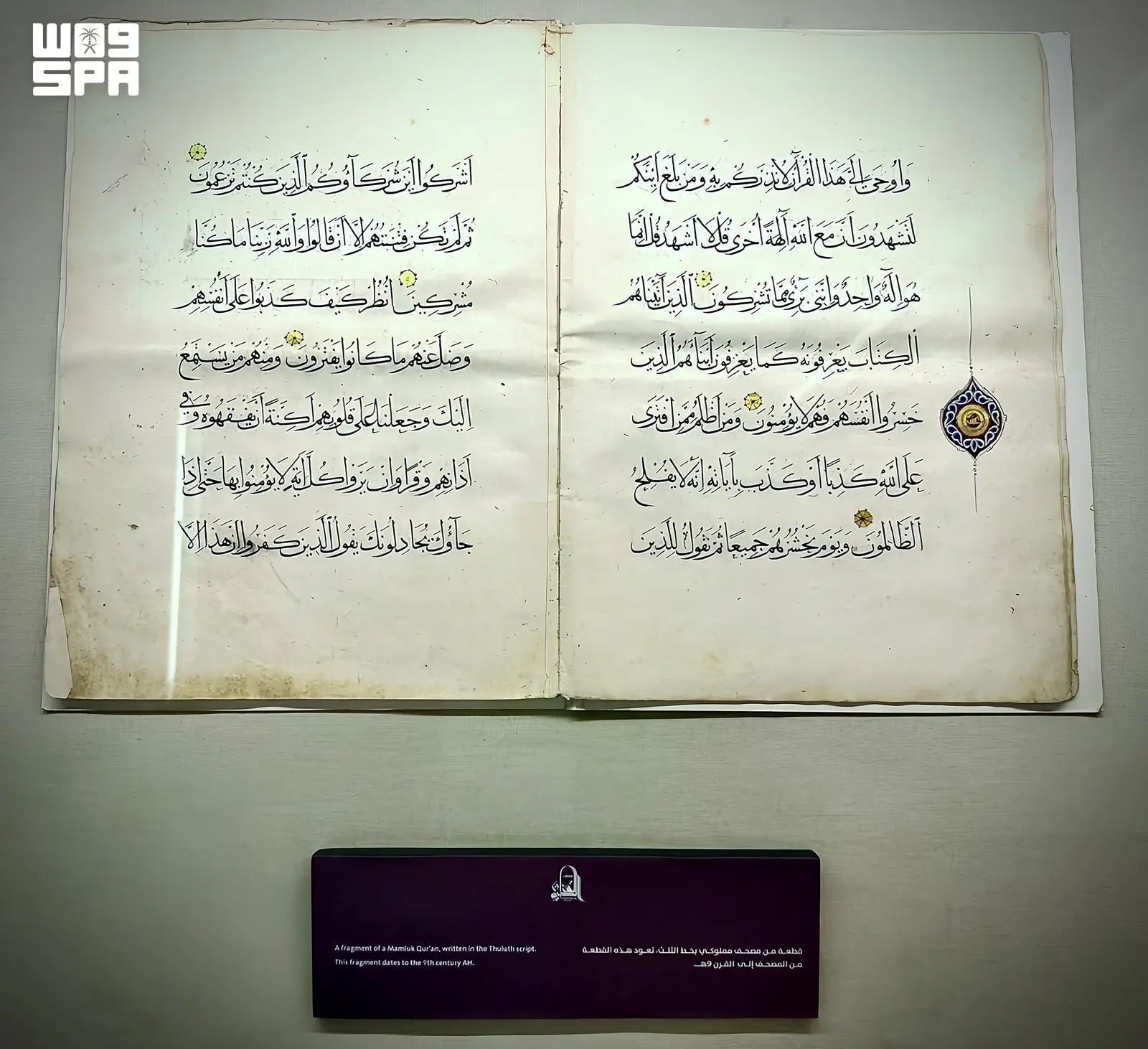
A Quranic manuscript dating back to the 9th century AH (15th century CE), currently on exhibit at the Holy Quran Museum in the Hira Cultural District of Makkah, exemplifies the historical craftsmanship and visual elegance of Arabic calligraphy.
Rendered in the Thuluth script, famed for its sweeping letterforms, structural flexibility, and balanced proportions, the manuscript illustrates the extraordinary care devoted to transcribing and ornamenting the Holy Quran across Islamic eras.
The piece offers visitors insight into the developmental trajectory of Quranic transcription, reflecting the intersection of spiritual veneration and the artistic evolution of regional calligraphic schools. Renowned for its elongated characters, intricate curves, and harmonious spacing, the Thuluth script historically served as a prime canvas for master calligraphers, establishing a refined balance between legibility and ornamental grandeur across architectural monuments, prayer niches (mihrabs), and mosque domes.
Preserving and displaying authentic Quranic manuscripts functions as an essential cultural archive, documenting the lineage of calligraphic mastery transmitted across centuries while safeguarding the distinct stylistic nuances of each historical epoch.
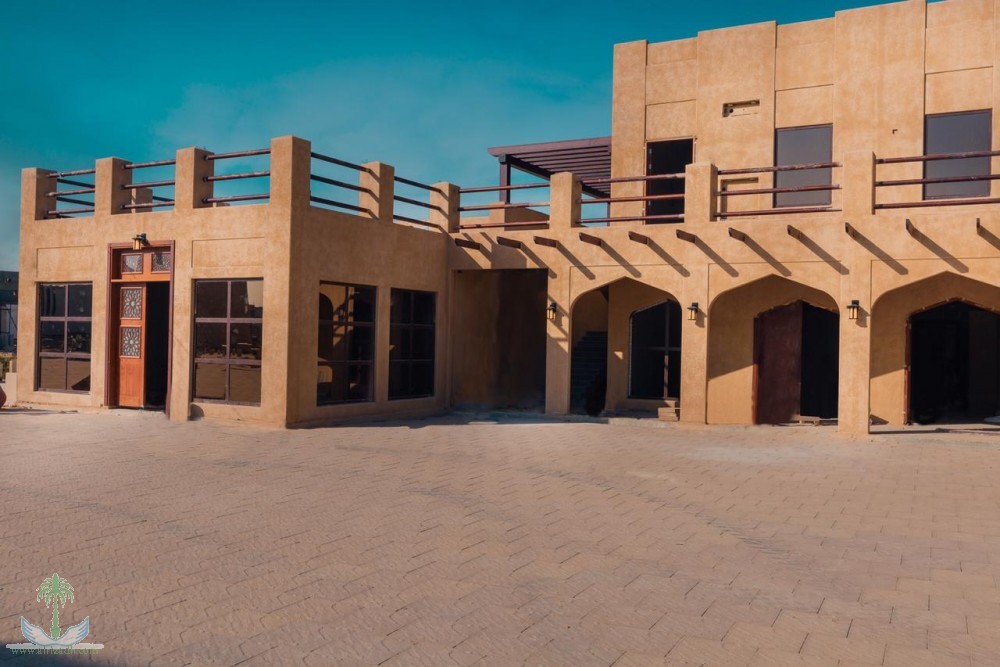
The exhibition forms an integral part of the programs at the Holy Quran Museum within the Hira Cultural District. Adjacent to Mount Hira, the museum provides immersive educational narratives on the sciences, history, and codification of the Quran, underscoring the vital role of specialized cultural institutions in preserving Islamic heritage and presenting it to contemporary audiences.