Aseer's Heritage Villages Evolve into Bustling Hubs for Culture and Tourism
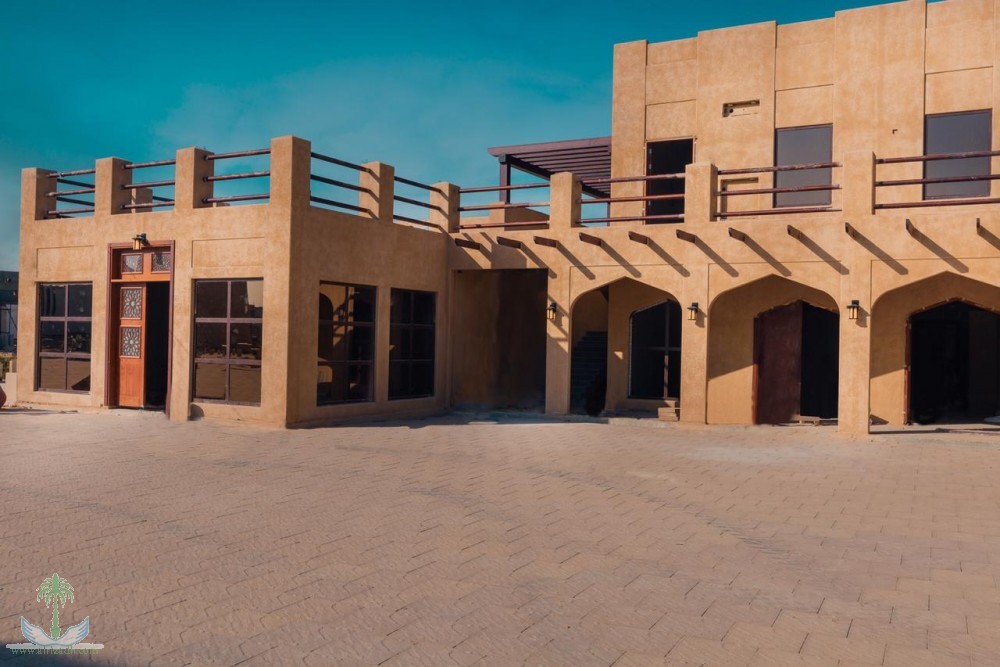
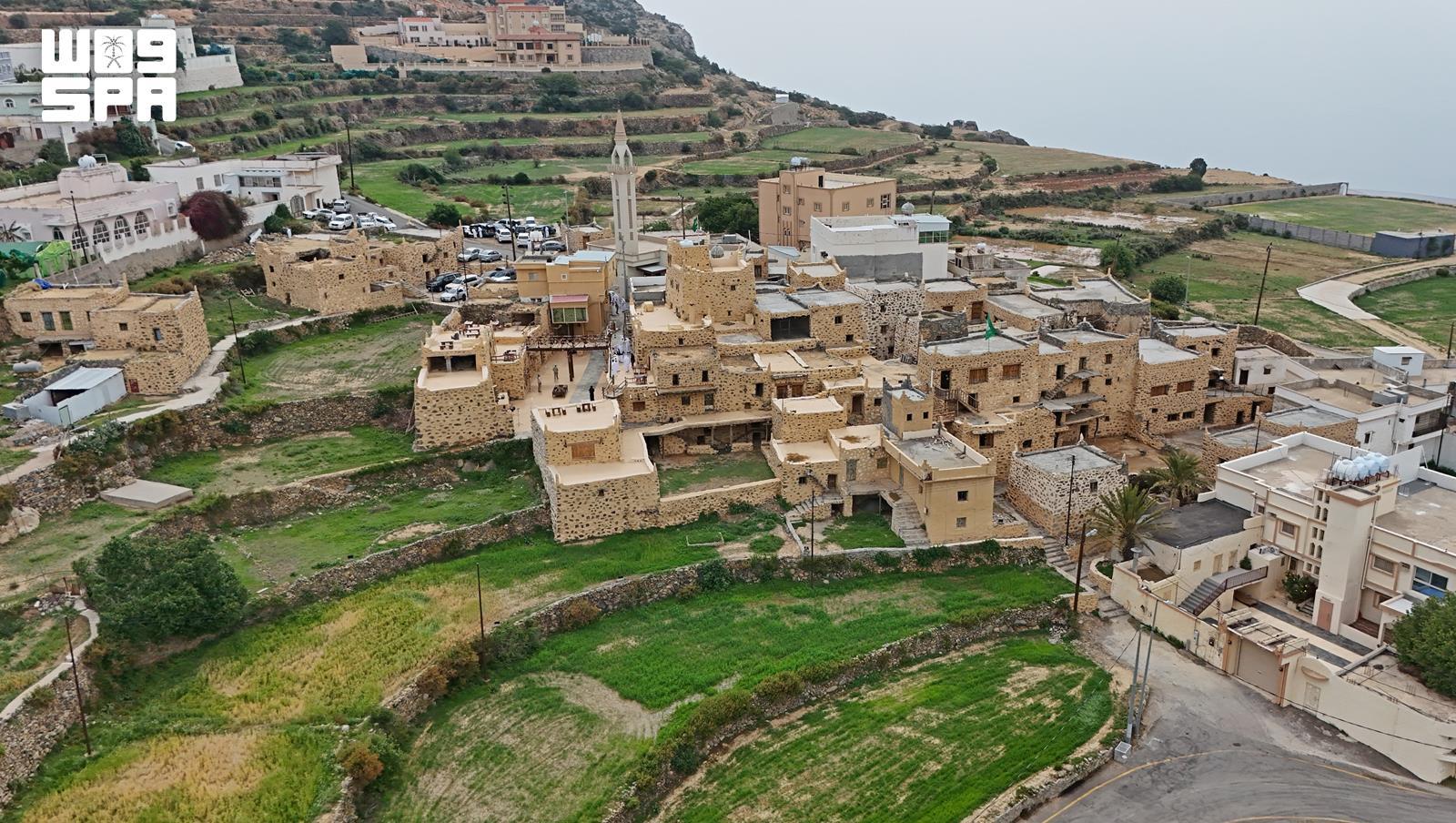
Once valued primarily as architectural reminders of the past, the heritage villages of Aseer Region have evolved into vibrant cultural and tourism destinations. They host seminars, poetry evenings, folk performances, and traditional handicraft exhibitions while helping strengthen national identity and attract visitors.
The transformation reflects growing emphasis on heritage as a driver of sustainable development and a means of advancing the goals of Saudi Vision 2030.
Aseer is one of the Kingdom's richest regions in terms of heritage villages, with more than 4,000 spread across its governorates. These villages represent distinctive examples of Saudi Arabia's mountain architecture.
Their restoration forms part of national efforts that helped register and classify 50,000 urban heritage sites across the Kingdom by 2025, after the Heritage Commission added around 25,000 new sites during the year. The achievement reflects the Kingdom's growing commitment to preserving its architectural heritage and promoting it as a cultural and tourism asset.
Speaking to the Saudi Press Agency, King Khalid University faculty member Dr. Mohammad Alamri said heritage villages are inherently part of culture, making them ideal venues for cultural events that create a unique synergy between place and content.
He said hosting seminars and intellectual activities in heritage villages gives such events a distinctive dimension, as historical sites add cultural value beyond their architectural and historical significance.
Alamri said the true value of heritage villages lies not only in their buildings, despite their architectural beauty and historical craftsmanship, but also in the life brought to them through diverse cultural programs.
He added that culture extends beyond lectures and seminars to include traditional arts such as the Ardah and Khutwa, poetry evenings, music, traditional crafts, and other expressions of community identity.
Alamri described the villages as the "body" that provides cultural programs with their natural setting, while the programs themselves represent the "life" of these historic sites.
He said the continuity of cultural activities helps introduce younger generations to their national identity and strengthen their connection to folk heritage through direct experience rather than through books and school curricula alone.
Alamri added that investment in heritage villages should extend beyond tourism seasons to become a year-round cultural and development project. He called for training programs and workshops on Saudi hospitality, folk arts, traditional cuisine, and handicrafts, alongside dedicated spaces for productive families to market their products.
Such activities would transform heritage villages into economic, social, and cultural centers at the same time, he said.
In recent years, Aseer's heritage villages have increasingly hosted events during tourism and cultural seasons, attracting growing numbers of visitors. They have evolved into destinations that combine tourism with cultural enrichment, demonstrating how architectural heritage can serve as both an economic and cultural resource.